
Bring the Museum to You: Collecting and Decorating with Vintage Art

When you first hear the term “art collector,” you may picture a hoity-toity Upper East Sider stalking high-end galleries, but that only makes up a small portion of the hobby. The truth is, anyone can buy vintage art, regardless of status, class, age, or background—you included.
Thanks to the increasing popularity of vintage stores and antique malls, buying vintage paintings has never been more accessible. With a little help from us, anyone can learn how to curate their own collection!
Why Should You Decorate Your Home with Vintage Art?

Anyone can fill their rooms with the same old prints and posters, but with countless vintage décor pieces and vintage paintings out in the world, why would you want to? It doesn’t matter whether you prefer a Grandmacore aesthetic or a fairycore look—hanging vintage art in your home is the key to making your house feel completely unique to you.
Vintage paintings also give you a direct tie to history, offering tangible glimpses into the past. While not every collector will just stumble upon a forgotten Picasso, there is a seemingly endless supply of beautiful vintage décor from different eras. If you have a special affinity for one style, narrow your search to artists from those years.
Vintage art can also be incredibly valuable! If you’re interested in turning a profit with your collectibles, you’ll be happy to know that, oftentimes, the value of a vintage art piece grows exponentially over time. If you do ever decide to sell, you’ll probably make your money back—and then some!
What’s the Difference Between Vintage Art and Antique Art?
Before you start buying vintage décor, it’s important to understand the difference between “vintage” and “antique” art. Vintage art, by definition, refers to pieces that were made between 20 and 99 years ago. To be categorized as antique, the work must have been created 100 years or more ago. Though they have noticeable differences, such as medium or subject, one is not necessarily more valuable than the other.
Do You Need to Work with an Art Dealer to Collect Vintage Paintings?

If you’re just interested in buying a few pieces of vintage art from your local Melbourne vendor mall, you definitely don’t need to partner with an experienced art dealer. But if you’re considering curating a valuable collection with pieces by recognizable artists, it can’t hurt.
Art dealers are able to ensure authenticity, quality, and fair pricing, and will often help you track down desired artworks. Contact your local galleries and look up professional consultation firms to find a pro near you!
A Beginner’s Guide to Starting Your Own Vintage Art Collection
If you’ve never bought a vintage painting before, doing so can feel daunting—but don’t fret! With our expert advice, anyone can turn into a knowledgeable art connoisseur.
Collect Vintage Art in 7 Simple Steps:
Step 1: Research
Step 2: Budget
Step 3: Shop
Step 4: Inspect
Step 5: Frame
Step 6: Hang
Step 7: Appraise
Step 1: Do Your Research

As with any type of collectible, gaining a deeper understanding of what, exactly, you’re trying to find is crucial. Before you set foot in a Louisville antique mall or attempt to score at an auction, we suggest diving headfirst into vintage décor research. You don’t have to become a full-on art historian, but getting to know the differences in each design period, names of the most popular artists, and what, exactly, makes a vintage painting valuable helps you navigate the buying process.
Lucky for you, the internet gives you a bottomless well of information at your fingertips! Spend your free time researching different art online in databases, public domain archives, and online forums (or in your library, if you feel like kicking it old school!). There are plenty of aficionados out there eager to help.
You’ll notice pretty early on in your journey that certain design eras stick out to you more. When you start shopping at an antique store near Orlando, follow your instincts and lean into vintage paintings from those years!
The 5 Most Popular Vintage Art Eras:
Art Nouveau
Art Deco
Mid-century modern
Surrealism
Pop Art
1. Feel Inspired by the Vintage Art from the Art Nouveau Era

Popular for its nature-inspired motifs and organic lines, Art Nouveau artists created much of the vintage décor made between 1890 and 1910. When you look at the famous vintage paintings from the Art Nouveau era, like The Kiss, you’ll notice curving lines, vibrant colors, and, more often than not, elegant and ethereal female figures.
Valuable Art Nouveau Artists:
Gustav Klimt
Alphonse Mucha
Henri de Toulouse-Lautrec
Aubrey Beardsley
Franz von Stuck
2. Decorate with Elegant Vintage Art from the Art Deco Years
The Art Deco era dominated the 1920s and 1930s, shifting away from organic forms to streamlined, geometric shapes. The vintage décor and artworks from these years remain beloved today. If you’re looking for a way to add glitz and glam to your home, keep an eye out for the sleek lines, luxurious materials, and jewel-tone hues associated with this period.
Valuable Art Deco Artists:
Tamara de Lempicka
Jean Dupas
Raphael Delorme
Erté
Sonia Delaunay
3. Invest in Timeless Vintage Mid-Century Modern Artworks

With the end of the war in the 1940s came a new sense of innovation, as seen in the mid-century modern art pieces. The vintage paintings of this time leaned towards the abstract, featuring vague shapes, minimalist lines, and bold colors, like mustard, teal, and olive. MCM vintage décor remains incredibly popular to this day, so you may have to do a bit of hunting to find an authentic piece from the time.
Valuable Mid-Century Modern Artists:
Jackson Pollock
Mark Rothko
Willem de Kooning
Helen Frankenthaler
Richard Diebenkorn
4. Go Avant-Garde with Vintage Surrealist Art Pieces
Heavily influenced by Freudian psychology and the idea of exploring reality through human imagination came the Surrealism period, starting in France in 1924. Vintage paintings from this time blend realistic scenes with eerie, bizarre, or downright impossible elements, often using both refined painting techniques and modern approaches, such as collage, to bring their visions to life. If you want a conversation starter piece, Surrealist art is worth every penny!
Valuable Surrealism Artists:
Salvador Dalí
Max Ernst
Frida Kahlo
René Magritte
Joan Miró
5. Make a Statement with Vintage Pop Art

Emerging in the mid-1950s, the Pop art style was the first time the line between pop culture and fine arts began to blur. Vintage paintings and vintage décor from this era combine vibrant colors and bold designs with more mass-produced, commercially available objects or iconic figures. Artists of this era transformed everyday items into pieces that are enduringly famous and highly valuable to this day.
Valuable Pop Art Artists:
Andy Warhol
Keith Haring
Roy Lichtenstein
Richard Hamilton
David Hockney
Step 2: Create a Reasonable Vintage Décor Budget
Once you understand the different types of vintage paintings and vintage décor out there, you can set a budget. While vintage art can be bought at essentially any price point, it really depends on what kind of pieces you’re looking for.
For the most part, the vintage art at Phoenix antique malls and thrift stores is priced anywhere in the $20 to $200 range. But if you’re only willing to buy famous works, you should be prepared to drop thousands of dollars on a purchase.

Pro tip: While we don’t recommend this for anyone who’s just starting out in this world of vintage décor, there are certain reputable companies that offer loans for vintage art purchases. When you’re not able to afford the entire payment in full at the time of discovery, these loans allow you to take the piece home after an initial deposit, offering a payment plan for the rest.
Step 3: Take to the Streets and Shop IRL
Now that you have a game plan, you can start to shop! Where you look for vintage décor makes a world of difference in your chances of finding something amazing. While you can sometimes find great vintage paintings on websites like Etsy and eBay, nothing beats flipping through different antique frames and vintage canvases in person.
Plenty of vintage art collectors have success stories from shopping at thrift stores, flea markets, and estate sales, but, as any experienced pro will tell you, Highland antique malls and similar stores give you the best selection possible! There, hundreds of vendors have their best vintage paintings and vintage décor on display for you to sort through. Spend a few hours scouring each and every booth for the perfect priceless piece to take home.
Items to Bring With You When Shopping for Vintage Art:
Measuring tape: for making sure, in-store, that the vintage painting will fit in your home
Magnifying glass: for inspecting the condition of the vintage painting’s canvas or the vintage décor’s construction
Magnet: for testing the frame’s material and metal content
Step 4: Carefully Inspect Each Vintage Décor Piece

It can feel tempting to buy every beautiful vintage painting or vintage décor item you come across, but you have to resist! Before you hand over your card, make sure you carefully examine the item for any signs of damage. Though a minimal amount of wear and tear is expected, certain indicators, like creases in the canvas, paint loss, varnish stains, and wood panel warping, have the ability to affect the overall value.
Pro tip: Just because a vintage painting isn’t necessarily in mint condition, it doesn’t mean it’s worthless. Plenty of vintage décor collectors are willing to pay to own certain vintage paintings if they fit in with their collection, even if they’ve seen better days. They might even take them in to get professionally restored.
Step 5: Check Out the Frame
Ascertaining whether or not the vintage décor is in acceptable condition is only one part of the inspection process: the frame matters, too! If a vintage painting is still in its original frame, you might see small holes or aged wood panels.
Get a closer look at each of the frame’s corners to ensure they’re secure and stable. If it can be propped up without wobbling, it’s likely good enough to take home.
Step 6: Hang the Vintage Art in Your Home
Owning vintage art is one thing: showcasing it in your home is another. Whether you use screws, nails, or some other hardware, like a D-ring, depends on the frame you use. If your home has drywall, using drywall screws will give you more peace of mind that your fascinating find won’t fall.
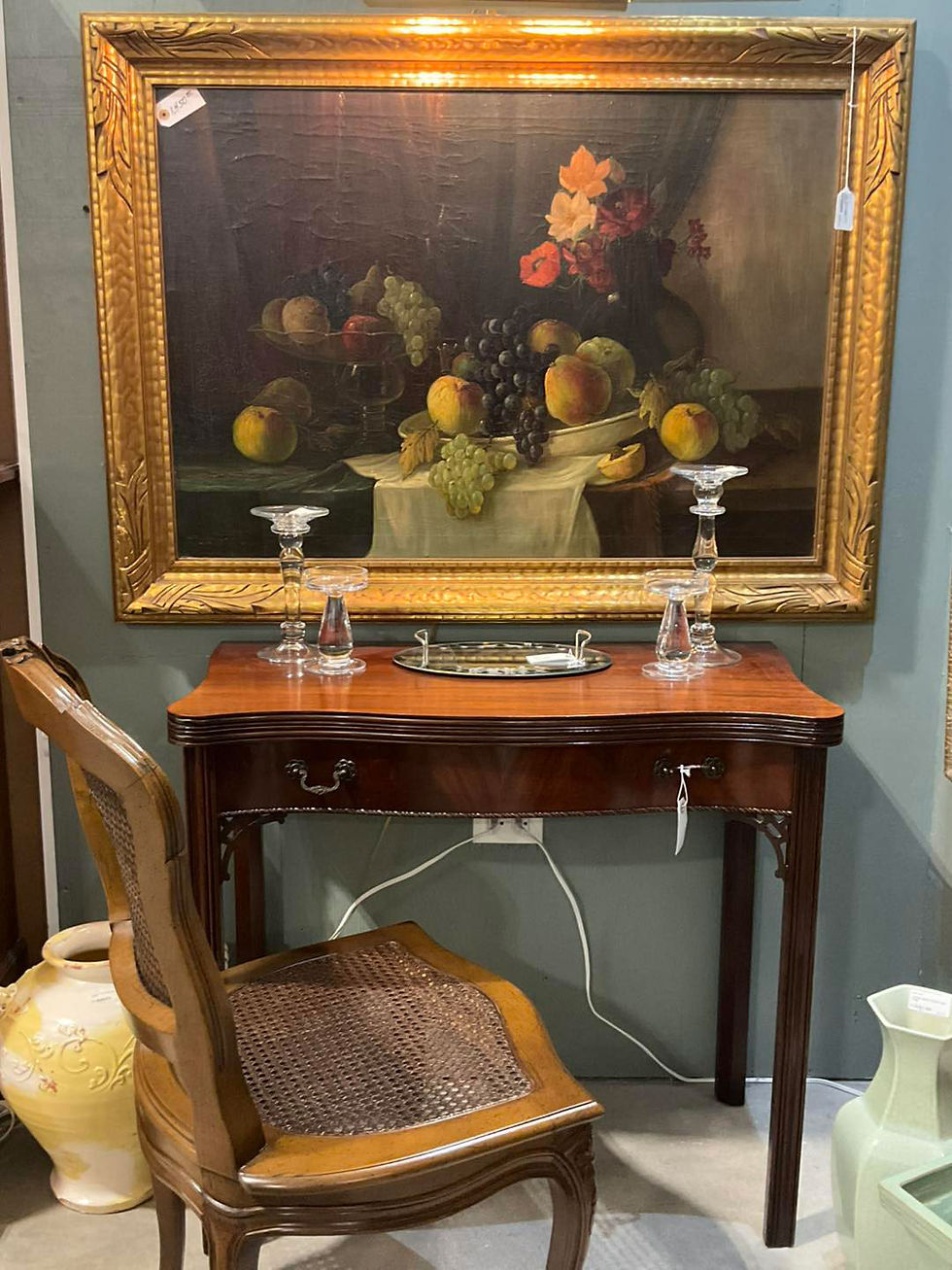
Pro tip: We recommend hanging your newfound masterpieces at approximately eye level, which, according to most museums and galleries, averages between 57” and 60” from the floor. Keep that number in mind every time you hang your vintage décor, especially if it’s the only painting or sculpture on the wall.
Step 7: Keep Track of Appraisal Papers
Just because the vintage décor is officially in your home, it doesn’t mean your job as an art collector is over! To ensure your pieces are considered valuable for your lifetime and beyond, you’ll want to store all official documents in a safe place.
The appraisal papers that come with authenticated pieces of art contain a detailed description of the work’s medium, dimensions, and subject, an analysis of any recorded repairs and damages, a history of ownership, and insurance valuation details. Should you ever decide to resell the vintage painting, this will streamline the process.
Questions to Ask Vintage Art Vendors:
Where does this vintage painting originate from?
Has this vintage décor gone through any restoration?
Who was the artist?
Do you have official provenance documentation?
What medium was used in this vintage painting?
When was this vintage art created?
Is this vintage painting in its original frame?
If you’ve ever gotten lost staring at the swirling skies in Starry Night or have found yourself inexplicably drawn to Warhol’s vibrant Campbell’s Soup Cans, you might have an inner art collector trying to tell you something. Why not listen to them? Learn if you have what it takes to collect vintage art and head to America’s Antique Mall today!


