
Dial Up in Style with Your Very Own Vintage Rotary Phone

These days, there’s a good chance the only phone you have access to is a smartphone. But if you remember the times when you had to dial your friend’s numbers on an old-fashioned rotary phone, you’ll understand why we talk so much about missing the vintage phones we grew up with. Don’t just sit around the table recalling the good old days—head to your local antique mall to buy a vintage dial telephone for yourself!
What is a Rotary Phone?
Whether you used one as a kid or have only seen them on TV, rotary phones are easily recognizable. This style of vintage phone has a circular plate in the center of the device, with finger holes for each number (0-9). The exact shape of the main base, which contains the mechanisms and circuitry, can vary depending on the brand and year it was released.
How Does a Rotary Phone Work?
As far as antique phones go, dial-style models are not the most intuitive to use. To start, you lift the handset and listen for a dial tone. Then, you put your finger in the hole of the desired number, only letting it go once you’ve pulled the dial to the metal stop. The action of the dial spinning back is what creates the correct amount of pulses. Do this for every digit in the phone number and wait for the central exchange to route the call and connect you to your recipient.
When Were Rotary Phones Invented?
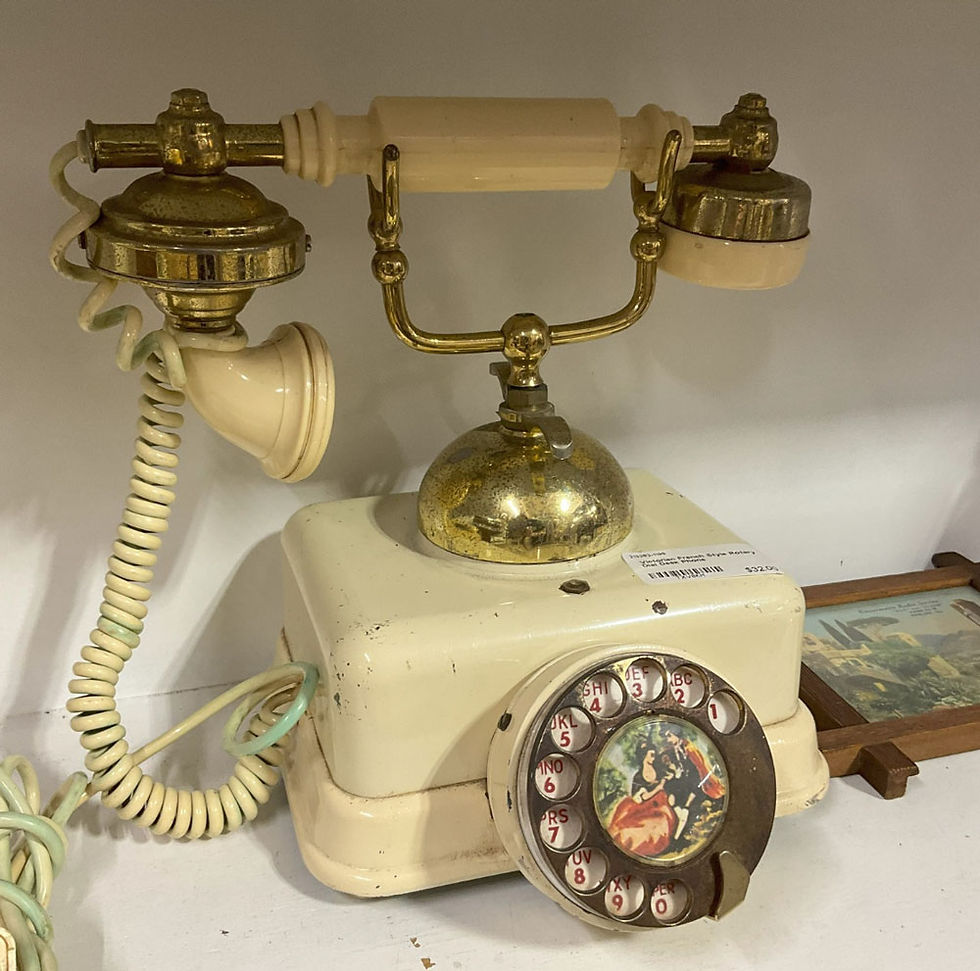
Though the first patent for the rotary phone was granted in 1982 to inventor Almon Brown Strowger, it wasn’t until about 1907 that the familiar finger hole design was popularized. By the 1920s, more and more public models and home designs were created, and vintage dial telephones became widespread.
When Did Rotary Phones Stop Being Used?
For decades, people around the globe relied on these vintage dial telephones. That is, until the introduction of Touch-Tone phones in the 1960s. Also known as push buttons, these vintage phones were known for their speed, efficiency, and technologically advanced features. Eventually, by the mid ‘80s, almost every home had replaced its antique phones with the new, hip model.
Why Should You Consider Buying a Rotary Phone in 2026?
Are you tired of living your life looking at screens? We know all too well how easy it is to get swept up in the news, games, and social media on your smartphone. Using a vintage dial telephone as a landline in your home enables you and your family to reduce screen time and return to a slower way of living.
As many interior designers will tell you, vintage phones are the epitome of style. If your home office is feeling drab or your entryway table is looking bare, consider dressing the space up with an eclectic and authentic antique phone. Talk about a conversation starter!
In a world where letters and telegrams were the main methods of talking to one another, vintage dial telephones changed the face of communication for good. If you want to feel connected to a small sliver of human history, consider decorating with one of these antique phones. Every time you pass by it or use it to call a pal, you’ll be reminded of the impressive nature of human invention.

What Are The Most Popular Styles of Rotary Phones?
Dreaming of returning to vintage dial telephones is one thing—actually buying one is another. When you’re ready to browse your favorite Phoenix vendor mall in search of the perfect antique phone, you may be surprised to see just how many vintage phone designs there are. Each design has its own unique look, capabilities, and fanbase, so it’s true that it's just a matter of what you’re in the market for.
Popular Rotary Phone Models:
Western Electric Model 500: made in a variety of colors with a receiver on the top and an eye-catching dial in the center, this widely produced desk phone is praised for its heavy, durable, and instantly recognizable design
Western Electric Model 554: similar to the standard 500 model, this counterpart is wall-mounted and built to last
Princess Phone: compact, sleek, and available in a range of hues, this 1960s rotary phone was designed mainly for bedside table use
Important Elements to Consider Before Buying a Vintage Phone

When it comes to actually buying a vintage dial telephone, avoid the temptation of buying the first one you somewhat like. A little investigation into the exact model will help you determine whether or not it’s really worth it. If it doesn’t fit your qualifications, don’t fret—there are plenty of other antique phones in the Melbourne vendor mall to choose from.
5 Vintage Phone Considerations:
Function: Before you get swept away, make sure the vintage phone is functional. Does the dial of the antique phone actually rotate? Is the wiring still connected? If it doesn’t work, do you still like the vintage phone enough for it to just act as a piece of décor in your home?
Condition: When you come across a vintage dial telephone in an Indiana vendor mall, inspect it closely for signs of wear and tear. Anything made twenty or more years ago is bound to have some damage, but whether or not an antique phone is in mint, good, or poor condition could affect its overall value. Look for scratches, dents, chips, etc.
Aesthetic: A vintage dial telephone is sure to look great in a Louisville antique mall, but when you take it home, will it fit the existing style of your décor? Try to imagine the rotary phone in your home before handing over your cash.
Authenticity: If you’re interested in buying a rotary phone from a specific company or year, make sure to ask for authentication documents. You wouldn’t want to be duped by a replica, would you?
Network compatibility: Though most vintage phones can easily receive calls on modern phone lines, dialing out could require specific hardware converters. If the vintage dial telephone is in working condition, there are multiple ways to connect it to a mobile phone, home internet, or traditional landline service—it just may take a few phone calls and research.
While it may seem tempting to sit at home and browse online auction sites for an antique phone of your own, there’s no better feeling than stumbling across the perfect vintage dial telephone in the wild! Head to your nearest America’s Antique Mall location today to start your hunt off right. We can’t wait to see what vintage phones you find while antique shopping!


